A brief history of Hag Dyke
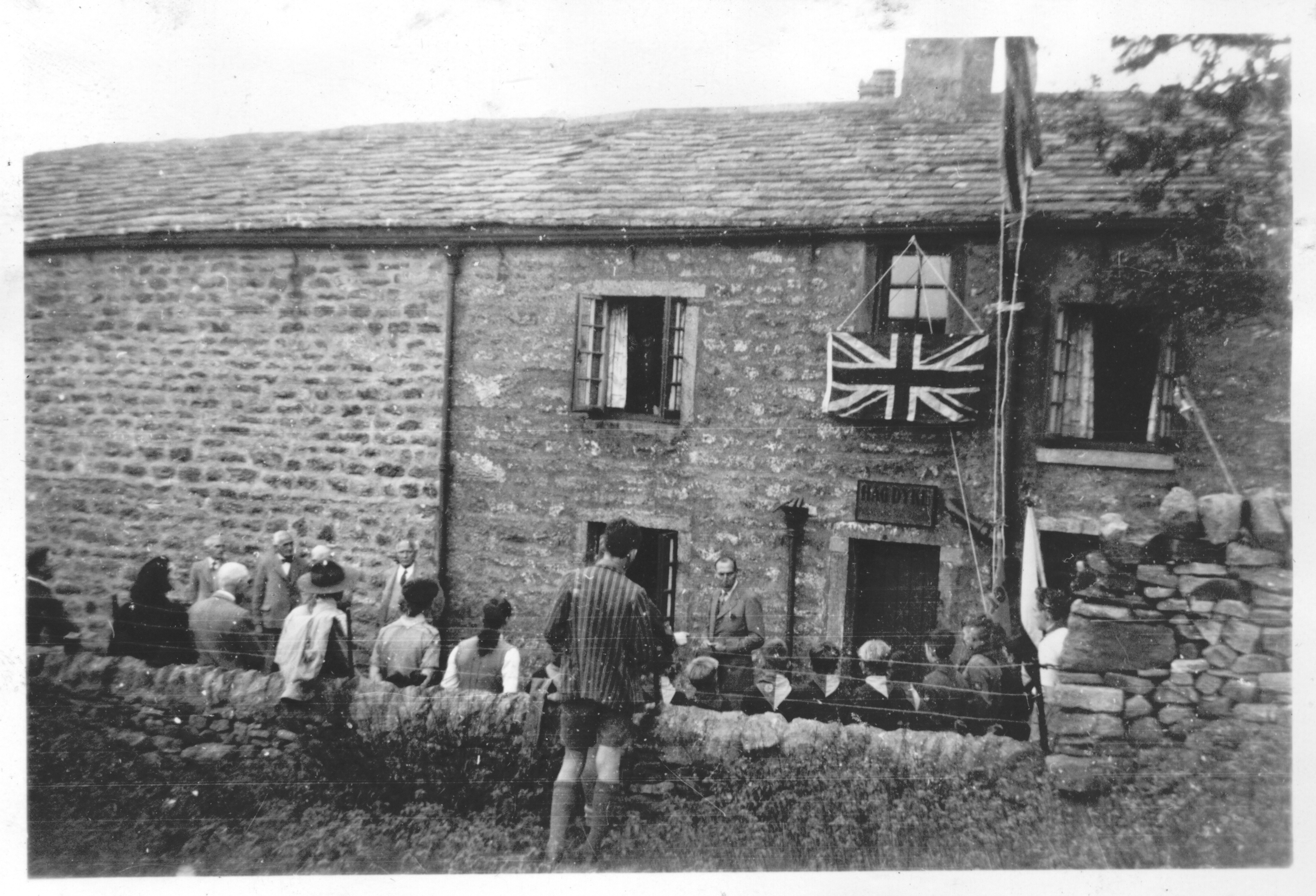
Hag Dyke was bequeathed to the 1st Ben Rhydding Scout Group in 1947 and has been run by volunteer wardens for the benefit of Scouts and other Youth Groups ever since.
The building was originally a farmhouse and its occupants traced back to 1730, but it is probably older and could have housed miners working in Dowber Ghyll lead mines opened in 1680, the area of the kitchen is the oldest. At 1525 feet it was believed to be the highest house in the former West Riding. A “Dyke” in Dales dialect means a mountain dividing wall and “Hag” means enclosed land or an intake (from the moor in this case). The name therefore means the wall bounding the intake from the moor. The house is reputed to be haunted!!
In 1959/60 the Group carried out a major extension to the building. A new roof and new floors were installed. The long barn (with its’ traditional width of 16 to 18 feet to allow turning of 2 oxen) was pulled down and rebuilt as a common room and dormitories. The original roof beams were preserved and a 44 inch thick wall excavated to provide a connecting door, nearly killing a workman in the process. Rebuilding took a year, with everything being brought up by local farmers tractors. Workmen stayed at Hay Tongue farm and the weather was incredibly fierce
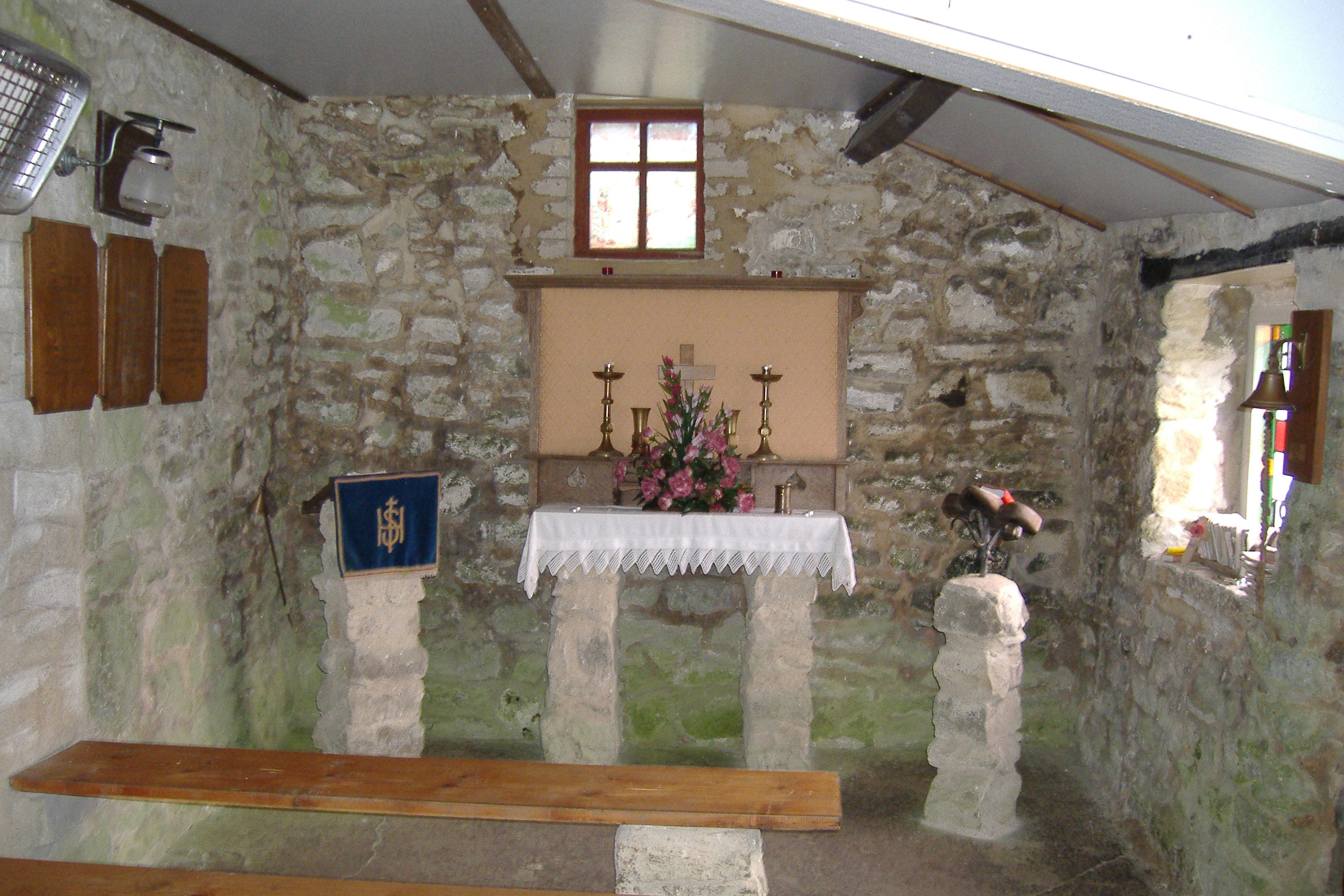
At 1533ft our chapel is the highest in England.
Converted from a hay store of the adjoining bard, the chapel first opened in memory of late Group Scoutmaster Cecil Findlay in 1954. In 1966 it was extended with a memorial window to the late Country Commissioner John Foster Beaver Jnr. It was dedicated by the Bishop of Bradford on 23rd July 1966. An additional window in memory of Ronnie “Skipper” Ibbetson was installed in 1985.
Want to learn more?
Friend and long time supporter of Hag Dyke, Peter Smith, has documented the history of Hag Dyke. He spent many months talking to the people who knew Hag Dyke, had involvement with Hag Dyke or had visited Hag Dyke, along with hours and hours of research. Peter has kindly made the resulting book available to Hag Dyke so that you can download it and read it yourself. The link below will download the second issue of the book which was updated and revised in 2023.